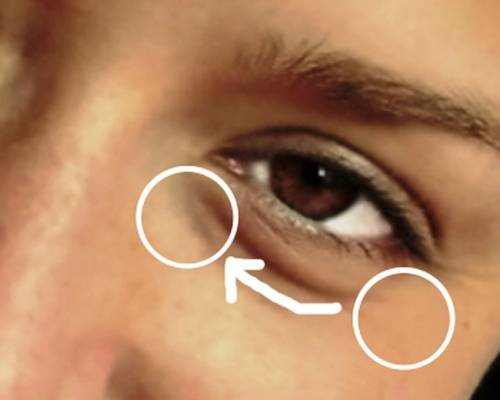
Bulging eyes, or proptosis, occurs when one or both eyes protrude from the eye sockets due to space taking lesions such as swelling of the muscles, fat, and tissue behind the eye. This causes more of the cornea to be exposed to air, making it more difficult to keep eyes moist and oiled. In extreme cases, bulging eyes can produce a big amount of pressure on the optic nerve, potentially resulting in vision loss.
Oftentimes popular eyes are misinterpreted for bulging eyes. Prominent eyes are generally genetic and in many cases are harmless. Nevertheless, bulging eyes can be a various case, as they might be linked to a more major condition.
Vision Support: Quality AREDS 2 Formula eye vitamins can be found on Amazon.
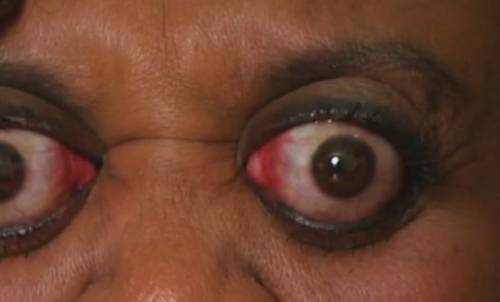
What Causes Bulging Eyes?
Bulging eyes have been linked to a variety of illness and conditions, including glaucoma, hyperthyroidism, leukemia, and more.
The most typical reason for bulging eyes is Graves’ disease, or more specifically, Graves’ ophthalmopathy – an autoimmune condition where the thyroid gland mistakenly senses damaging cells and releases antibodies, which then fuse to eye muscles and cause swelling.
Symptoms of Bulging Eyes
Bulging eyes are generally a symptom of another condition. Symptoms of Bulging eyes may include:
- Look of extending eyes
- Extreme dryness in eyes
- Visible brightness in between the top of the iris and the eyelid
- Eye pain
- Eye soreness
Treatment for Bulging Eyes
The underlying reason for bulging eyes will figure out the general course of treatment. However, in all cases, bulging eyes will be exposed to more air making it hard to keep them lubed. To combat extreme dryness, synthetic tears and eye drops can be used for wetness and lubrication.
Expert Choice: Recommended by eye care professionals for managing dry eyes, styes, and blepharitis, this Heated Eye Mask provides the consistent moist heat therapy endorsed by the American Academy of Ophthalmology. It’s an effective, reusable solution for soothing irritation and improving oil gland function. Available on Amazon.
View treatments for the most common underlying reason for Graves’ Ophthalmopathy.