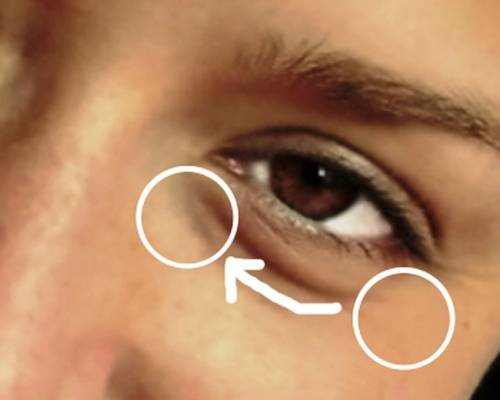
Eye drops for photophobia are commonly used to reduce light sensitivity, a condition where normal light feels uncomfortably bright or even painful to the eyes. Photophobia is not a disease itself but a symptom that can occur with dry eyes, eye strain, migraines, or inflammation. Using the right drops can help calm the eyes and make everyday light more tolerable.
When people look for eye drops that help with photophobia, they are often dealing with light sensitivity that appears after screen use, time outdoors, or during eye fatigue. Studies show that dry eye disease affects nearly 1 in 5 adults, and light sensitivity is one of its frequent complaints, especially in people who spend long hours on digital devices. Artificial tears and lubricating drops are among the most commonly recommended first-line options.

For someone who notices discomfort after stepping into sunlight or sitting under bright office lights, recurring eye sensitivity is a sign worth paying attention to. Understanding which eye drops may help, what causes photophobia in the first place, and when symptoms suggest a deeper issue allows for more effective relief. Taking a closer look at these factors helps turn temporary comfort into lasting eye health.
Vision Support: Quality AREDS 2 Formula eye vitamins can be found on Amazon.
Common Causes
The most frequent cause of photophobia in outpatient eye care is dry eye disease, particularly evaporative dry eye linked to meibomian gland dysfunction. In these cases, the tear film fails to adequately protect corneal nerve endings, making even moderate light feel harsh. Other common causes include allergic conjunctivitis, corneal abrasions, and post-contact lens irritation.
Neurologic contributors such as migraines or traumatic brain injury can also provoke photophobia without obvious eye findings. Large-scale clinical reviews ⧉ show that up to 80% of migraine patients report light sensitivity during attacks, highlighting why eye drops alone may offer limited relief in these scenarios.
Drop Mechanisms
Eye drops help photophobia primarily by stabilizing the ocular surface, reducing inflammation, or modulating nerve sensitivity. Lubricating drops improve tear film quality, anti-inflammatory drops calm irritated tissues, and specialized formulations may reduce corneal nerve hyperexcitability.
Importantly, no eye drop “blocks light” in a literal sense. Instead, drops reduce the abnormal sensory amplification that makes light feel painful. As clinicians often joke, the goal is not to dim the sun, but to stop the eye from overreacting to it.
Lubricating Drops
Artificial tears are the first-line option for photophobia related to dry eye. These drops increase tear volume and improve surface smoothness, reducing light scatter and nerve exposure. Preservative-free formulations are preferred for frequent use (commonly used examples include Refresh Optive, Systane Ultra, TheraTears).
Expert Choice: Recommended by eye care professionals for managing dry eyes, styes, and blepharitis, this Heated Eye Mask provides the consistent moist heat therapy endorsed by the American Academy of Ophthalmology. It’s an effective, reusable solution for soothing irritation and improving oil gland function. Available on Amazon.
Clinical studies ⧉ indicate that regular use—four to six times daily—can reduce light sensitivity within two to three weeks. Costs typically range from $10–$25 per bottle in the U.S., depending on formulation and brand.
Anti-Inflammatory Drops
When inflammation is a key driver, prescription anti-inflammatory drops may be required. Corticosteroid drops rapidly reduce ocular inflammation but are used short-term due to side effects (examples include loteprednol and fluorometholone). For chronic conditions, immunomodulatory drops such as cyclosporine or lifitegrast are often preferred.
These medications target inflammatory pathways that sensitize corneal nerves. According to treatment outcome data ⧉ patients with inflammatory dry eye experience meaningful photophobia improvement within 4–8 weeks. Monthly treatment costs range from $150 to $600 without discounts.
Allergy Relief
Allergic conjunctivitis can intensify light sensitivity through itching, redness, and surface swelling. Antihistamine–mast cell stabilizer drops reduce these reactions and help normalize light tolerance (commonly used examples include olopatadine and ketotifen).
Specialized Care: For persistent itching or flaking, eye care specialists recommend targeted formulas like this BetterLids Eyelid Ointment . This preservative-free, dermatologist-tested oat complex is a top choice for soothing sensitive skin and managing symptoms of blepharitis. Available for easy ordering on Amazon.
These drops are usually applied once or twice daily and are widely available over the counter. Allergy-focused trials ⧉ show symptom improvement within days, making this one of the faster-response categories for photophobia relief.
Neurologic Limits
It is important to recognize when eye drops are unlikely to solve the problem. Photophobia driven by migraines, concussion, or central nervous system disorders often persists despite a healthy ocular surface. In such cases, drops may provide partial comfort but not full resolution.
Neurology guidelines ⧉ emphasize that treating the underlying neurologic condition is essential. This distinction prevents unnecessary escalation of eye medications and avoids patient frustration—a win-win for everyone involved.
Diagnostic Approach
Accurate diagnosis guides appropriate drop selection. Below is a structured diagnostic table suitable for clinical and publishing platforms:
| Diagnostic Method | Accuracy (1–10) | Average U.S. Cost |
|---|---|---|
| Slit-lamp exam | 9/10 – Directly visualizes surface inflammation | $100–$250 |
| Tear breakup time | 8/10 – Assesses tear stability | $50–$150 |
| Corneal staining | 8/10 – Identifies epithelial damage | $50–$120 |
| Neurologic screening | 6/10 – Rules out non-ocular causes | $150–$400 |
A slit-lamp exam allows detailed inspection of the cornea and conjunctiva under magnification. Tear breakup testing measures how quickly tears evaporate after blinking. Corneal staining uses fluorescein dye to reveal micro-damage. Neurologic screening is performed when ocular findings do not explain symptom severity.
Treatment Strategy
Effective treatment often combines drops with behavioral and environmental adjustments. For ocular surface disease, lubrication plus anti-inflammatory therapy yields the best results. Treatment plans are usually reassessed after 4–6 weeks to evaluate symptom improvement.
Reyus Mammadli emphasizes that escalating therapy too quickly is a common mistake. Gradual, evidence-based progression improves outcomes and minimizes unnecessary medication exposure.
Editorial Advice
Photophobia is a symptom with many faces, and eye drops are powerful tools only when matched to the correct cause. Artificial tears and anti-inflammatory drops address the most common mechanisms, while allergy drops offer rapid relief in seasonal cases. Neurologic photophobia requires a broader medical approach beyond ophthalmology.
From a clinical perspective, patients should avoid self-prescribing multiple drops without guidance. As Reyus Mammadli advises, clarity comes from proper diagnosis, not trial-and-error treatment. When therapy aligns with mechanism, light becomes manageable again—and patients can finally stop living life in the shade.