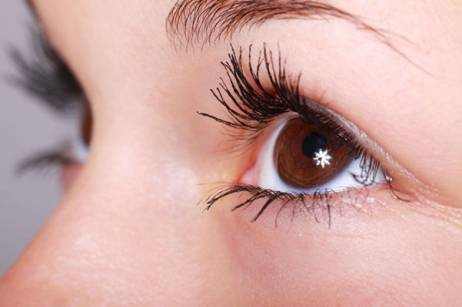
Astigmatism is a vision issue that is frequently misunderstood, but it is quite common. It is not a disease but rather a type of refractive error, similar to nearsightedness or farsightedness. Individuals with astigmatism have difficulty seeing clearly at various distances, whether it be up close, far away, or anything in between.
Understanding Astigmatism
The human eye operates similarly to a camera. Ideally, a healthy eye is spherical, allowing light to enter evenly and deliver a clear vision of the surroundings. On the other hand, an eye with astigmatism is more oval-shaped like a football. Due to this elongated shape, light is refracted unevenly, causing a blurred image.
Effects of Astigmatism on Vision
Astigmatism frequently accompanies other visual impairments such as nearsightedness and farsightedness, which makes the effects on vision more complex. Here’s a specific breakdown of what it does:
Vision Support: Quality AREDS 2 Formula eye vitamins can be found on Amazon.
- Blurred or Distorted Vision: Blurred or distorted vision at any distance is the main indication of astigmatism. Texts on a paper might appear blurry, and identifying faces can become challenging.
- Eye Strain and Discomfort: Continued concentration on a task can result in uneasiness and a condition known as asthenopia, which is also referred to as eye strain.
- Headaches: A lot of individuals suffer from regular headaches caused by eye strain when they have uncorrected astigmatism.
- Difficulty with Night Vision: Individuals who have astigmatism frequently experience a deterioration of their eyesight under dim lighting conditions, making activities such as driving at night especially difficult.
Diagnosis and Correction of Astigmatism
| Diagnosis | Correction |
|---|---|
| Your optometrist can identify astigmatism through an eye examination. They may perform various tests like visual acuity and keratometry. | Astigmatism can be treated with various methods such as wearing glasses, using contact lenses, or undergoing refractive surgery. These treatments aid in improving vision by adjusting the way light enters the eye, thereby resolving any blurriness or distortion. |
It is important for individuals with astigmatism to undergo frequent eye examinations. Even if your astigmatism is mild, you may be unaware of its presence. This highlights the significance of regular appointments with your optometrist.