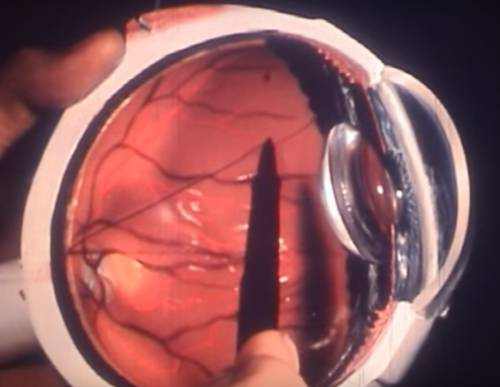
Recognizing the symptoms of retinal damage early can literally mean the difference between sight and blindness. The retina comprises cells that send signals to the brain, forming an image. Significant retinal damage or disease can lead to vision loss, so it is essential to learn how to spot potential signs.
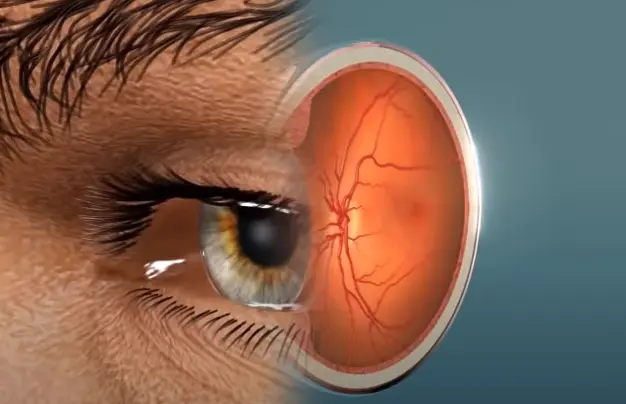
Here are the six major symptoms of retinal damage that everyone should be aware of:
- Blurred or Distorted Vision:
This is usually one of the first signs of retinal damage. The individual may experience blurriness when trying to focus on objects either at a distance or up close. This should not be taken lightly and should prompt a visit to an ophthalmologist for a comprehensive eye exam. - Floaters and Flashes:
While it’s common to see a few floaters from time to time, a sudden appearance of many specks or floating objects in the vision might indicate retinal damage. Furthermore, if one sees flashing lights or lightning streaks, it could signify a retinal detachment, which is a medical emergency. - Loss of Peripheral Vision:
If someone notices a gradual or sudden loss of side vision, this could suggest retinal disease or damage. This symptom usually points to the early stages of retinal detachment and should be immediately assessed by an eye specialist. - Struggles with Low Light Vision:
Challenges in adapting to low light or dark conditions can indicate early retinal disease. If someone needs more light than usual to read or finds it difficult to navigate in dimly lit environments, this could suggest possible retinal trouble. - Impaired Color Vision:
A noticeable change in color perception can be another indication of retinal damage. If colors appear less bright or look washed out, it’s time to consult an eye specialist. - Central Vision Loss:
A dark or empty spot in the middle of your field of vision (scotoma) can signify macular degeneration, a retinal disease often associated with aging.
| Symptom | Identifying Feature |
|---|---|
| Blurred Vision | Trouble focusing |
| Floaters and Flashes | Sudden appearance |
| Peripheral Vision Loss | Troubles in side vision |
| Low Light Vision | Difficulty adapting to low light |
| Impaired Color Vision | Washed out colors |
| Central Vision Loss | Dark spot in central vision |
Regular eye exams play a critical role in detecting these symptoms early, which can lead to appropriate treatment and help prevent further vision loss. In conclusion, recognizing and responding promptly to these six signs of retinal damage or disease can safeguard one’s vision.