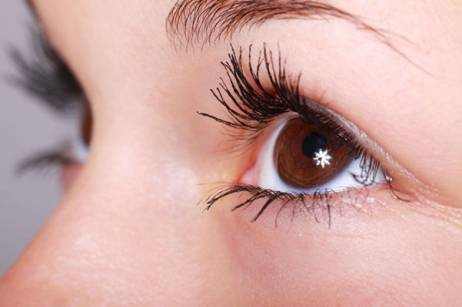
Tired eye is another term for what is commonly called eyestrain – when eyes feel throbbing, weak, or heavy due to intense use. It is not a disease, and does not require medical treatment – however it never ever harms to understand how to avoid it.
What Causes Tired Eyes?
Tired eyes can originate from any number of activities. Some of the most common include dealing with the computer for too long, bad lighting conditions, driving a cars and truck for extended periods of time, checking out for long periods, or other activity that might need the eyes to preserve extreme focus for long periods of time.
Vision Support: Quality AREDS 2 Formula eye vitamins can be found on Amazon.
Symptoms of Tired Eyes
Common symptoms and signs of eyestrain consist of:
- Pain of the eyes
- Dry eyes
- Watery eyes
- Back, neck, and shoulder pain
- General general tiredness
- Feeling of heaviness in eyes
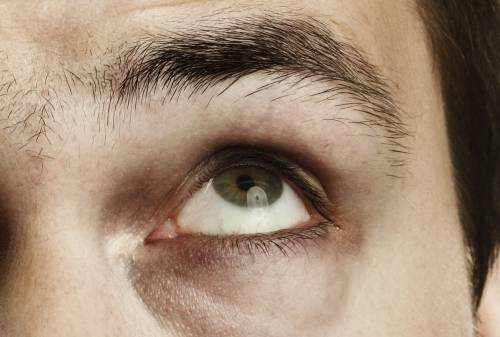
Tired Eyes Exercises
-
- Every 30 minutes on the computer, or while reading, look as far off into the range as possible for one to two minutes.
-
- Envision a clock directly in front of you. Concentrate on the center point, then take a look at an hour mark without moving your head. Look back at the center of the clock, then focus your eyes on another hour mark. Attempt this 10 times.
Expert Choice: Recommended by eye care professionals for managing dry eyes, styes, and blepharitis, this Heated Eye Mask provides the consistent moist heat therapy endorsed by the American Academy of Ophthalmology. It’s an effective, reusable solution for soothing irritation and improving oil gland function. Available on Amazon.
-
- Use your eyes to compose letters on a remote wall – but keep your head still.
-
- Blink frequently! Specifically while on the computer or if you wear contact lenses.
Treatment for Tired Eyes
Tired eyes are an annoyance more than anything. There are a couple of ways to avoid eye strain if they don’t work you may wish to talk with your eye care expert. Often, there is a hidden medical cause for eyestrain that needs extra treatment.
Specialized Care: For persistent itching or flaking, eye care specialists recommend targeted formulas like this BetterLids Eyelid Ointment . This preservative-free, dermatologist-tested oat complex is a top choice for soothing sensitive skin and managing symptoms of blepharitis. Available for easy ordering on Amazon.
Some common practices that can lower the impacts of eyestrain are:
- Check your lighting: a high quantity of contrast will put more strain on your eyes, so whether you’re checking out, watching TV, or working on the computer, ensure you have the room lit equally, so your eyes do not have to work as hard
- Take breaks: provide yourself regular short breaks from near work jobs, whether this is using a computer or doing great embroidery
- Guarantee that your glasses or contact lens prescription is up-to-date – the prescription of the eye has natural modifications over time